Trek Nepal with Acme: The Ultimate Seasonal Guide
Welcome to Nepal with Acme Adventure Treks! Understanding the weather is one of the most critical aspects of planning your Himalayan journey.
While trekking in Nepal is a year-round activity, the best time to visit depends entirely on what you want to experience—whether that means crystal-clear mountain views, lush blooming forests, or quiet trails.
To help you weigh the trade-offs between crowd levels, weather, and scenery, use this interactive tool to explore the different times of the year:
Seasonal Breakdown
Spring (March, April, May)
Spring marks the beginning of the trekking season. As days lengthen, the weather clears beautifully in the mornings and evenings, though afternoons can bring cloud cover and a slight temperature rise.
Highlights: The landscape explodes with colour, especially when rhododendrons bloom in early May (look out for the Annual Rhododendron Festival in the Sandakpur region). It is an excellent time for paragliding, ziplining, trekking, and mountain climbing.
Things to consider: Because of afternoon clouds, shorter trekking days are advised. Early spring can still bring snowstorms at higher elevations. By late spring (mid-May), pre-monsoon showers begin, which can cause sudden rain and increase avalanche risks on steep terrain.
Summer / Monsoon (June, July, August)
This is the least popular time for the main mountain trails, but it offers a unique, quiet experience. The plains experience intense, humid heat before the heavy rains arrive.
Highlights: You will largely have the trails to yourself, allowing for closer connections with local Nepali hosts. The rain-shadow areas of the Himalayas, such as Dolpo and Upper Mustang, are perfect during this time.
Things to consider: You cannot expect to stay dry. Expect heavy rain, leeches at lower altitudes, and muddy paths. High-altitude trails are preferred, but extreme care is needed to prevent hypothermia on wet routes.
Autumn (September, October, November)
Autumn is universally considered the absolute best time to explore Nepal. It is the peak trekking season for good reason.
Highlights: The monsoon washes the skies clean, leaving brilliant blue expanses and panoramic vistas of the highest peaks. The hillsides remain lush and vibrant from the recent rains. Regions like Khumbu (Everest) and Langtang are arguably at their most breathtaking.
Things to consider: The trails and tea houses in popular regions (Annapurna, Everest) will be crowded. You may still encounter leeches at the very lowest altitudes early in the season.
Winter (December, January, February)
Winter brings cold temperatures, heavy clouds, and snow, making high-elevation trekking much more challenging.
Highlights: The trails are exceptionally quiet, offering complete solitude for those who stick to lower-elevation routes.
Things to consider: Many guest houses close due to the cold and lack of tourists. Cornices (overhanging snow masses) can build up on ridges, requiring extreme caution. Healthcare is also much harder to find at higher elevations during this time.
How to Check the Weather
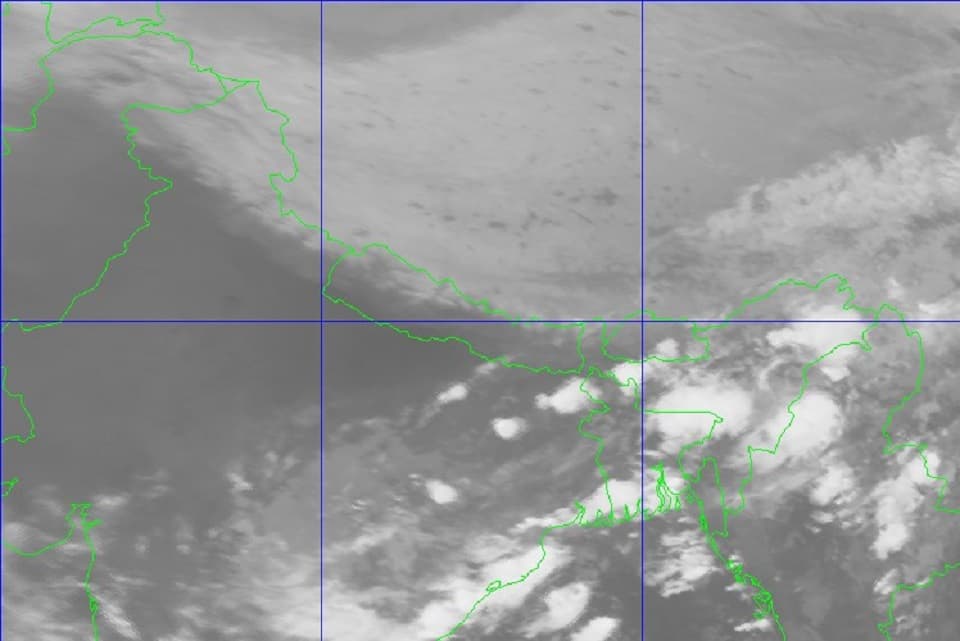
Because mountain weather can shift dramatically within hours, relying on accurate forecasts is crucial for your safety and comfort. Here is where you can get the most reliable, up-to-date weather information before and during your trek:
Department of Hydrology and Meteorology (DHM): The official government portal for Nepal's weather. They provide daily weather bulletins, extreme weather warnings, and specific mountain forecasts.
Meteorological Forecast Division (MFD): A branch of the DHM that offers highly specific, localised updates and 24-hour forecasts for various trekking regions.
Toll-Free Hotline: While in Nepal, you can dial 1155 from a local SIM card for immediate information on extreme weather and floods.
Trekking Apps: We highly recommend downloading apps like Windy or Mountain Forecast before you arrive. These tools allow you to check wind speeds, precipitation, and temperatures at specific elevations (e.g., 4,000m vs. 5,000m) along your exact trekking route.